

CYOL with Jeremy Ryan Slate Archive 1
The first 300 episodes of the Create Your Own Life Podcast.

10
Scipio Africanus (236–183 BC): The Hero Rome Put on Trial
<p>Scipio Africanus beat Hannibal at Zama in 202 BC, and within about fifteen years the Roman Republic he saved was putting his family on trial while he lived out his last years at Liternum, unwilling to come back to Rome.</p><p><br></p><p>In 210 BC, with his father and uncle dead in Spain and the Second Punic War going badly, the centuriate assembly handed a private citizen of about 25 the full proconsular imperium of a senior commander. Scipio took New Carthage, won at Baecula and Ilipa, became consul at 31, carried the war to Africa over the objections of...

The Roman Republic (133–43 BC): How Republics Really Die
<p>The fall of the Roman Republic took about ninety years, from the killing of Tiberius Gracchus in 133 BC to the Second Triumvirate and the proscriptions of 43 BC, and most of the rules that ended it were broken by men who said they were saving it.</p><p><br></p><p>This is the last episode of the series, and it lays the whole collapse out as one chain of precedents. We follow the deposing of the tribune Octavius and Nasica's mob on the Capitol, the Senate's emergency decree against Gaius Gracchus in 121 BC, Marius and the armies that looked...
Cincinnatus (458 BC): The Dictator Who Gave Rome Back in 16 Days
<p>Lucius Quinctius Cincinnatus was named dictator of Rome in 458 BC to rescue a consular army trapped by the Aequi on Mount Algidus, and he gave up absolute power on the 16th day of a six-month term, with nothing to make him do it except his own choice.</p><p><br></p><p>The Roman dictatorship was built into the early Republic on purpose: one man, no colleague, no veto and no appeal, for six months at most. This episode follows the man who set the standard for giving that power back. We start with his son Kaeso's trial and...
Edward Bernays: The Propaganda Machine That Still Runs Your Life
<p>Edward Bernays (1891–1995), the Vienna-born nephew of Sigmund Freud, spent most of the twentieth century teaching American business and government how to manufacture public opinion. He is usually called the father of public relations, and the strange part is that he wrote the whole method down, in his own books, under his own name.</p><p><br></p><p>In this episode of Hidden Forces in History, Jeremy Ryan Slate traces how one man took Freud's theory of the unconscious and turned it into a machine for moving crowds. The story runs from the 1929 "Torches of Freedom" stunt that broke th...
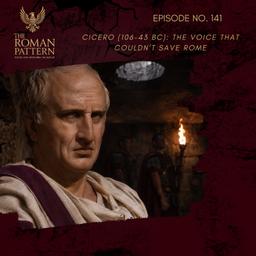
Cicero (106–43 BC): The Voice That Couldn’t Save Rome
<p>Marcus Tullius Cicero (106 to 43 BC), the greatest orator of the Roman Republic, won almost every fight Rome would let him settle with words, and he died on a proscription list drawn up by Mark Antony, Octavian and Lepidus in the Second Triumvirate.</p><p><br></p><p>This episode follows him from Arpinum, where he was born a "new man" with no consul in his family, through the case of Sextus Roscius against Sulla's freedman and the prosecution of Verres that made his name. As consul in 63 BC he faced the Catiline conspiracy, and after the debate of December 5...

The Fall of Rome: The Full Documentary (Marcus Aurelius to Medieval Europe)
<p>In September of 476 AD, a Germanic general named Odoacer removed the teenage emperor Romulus Augustulus in Ravenna and sent the imperial regalia to Constantinople, and very few people alive that year seem to have treated it as the end of anything. This documentary follows the whole fall of the Roman Empire across more than three centuries, from Marcus Aurelius and the Antonine Plague to the kingdoms of medieval Europe that grew up in Rome's place.</p><p> </p><p>It starts with the last of the good emperors and the murder of Severus Alexander in 235, then the Crisis of...
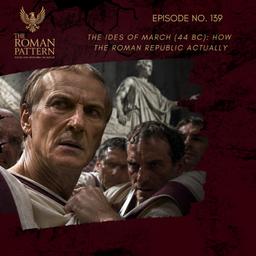
The Ides of March (44 BC): How the Roman Republic Actually
<p>On the Ides of March, March 15, 44 BC, Julius Caesar was stabbed to death by more than sixty senators in the Curia of Pompey, and two days later the Roman Senate voted to keep every one of his acts in force. This episode follows how the Roman Republic reached that point and why killing the dictator could not bring it back.</p><p><br></p><p>It starts with Caesar's return from Munda in 45 BC and his triumph over fellow Romans, then the honors voted by a Senate he had enlarged to about 900 and filled with his own men. By...
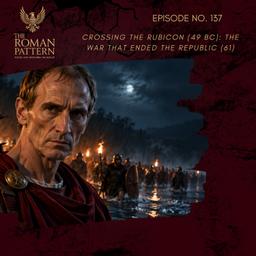
Crossing the Rubicon (49 BC): The War That Ended the Republic (61)
<p>Julius Caesar crossed the Rubicon in January of 49 BC, and over the next four years his civil war against Pompey the Great and the Senate ran from Italy to the battles of Pharsalus in 48 BC, Thapsus in 46 BC, and Munda in 45 BC, where the last army fighting in the Republic's name was destroyed.</p><p><br></p><p>Weeks before the crossing, on December 1, 50 BC, the Senate voted 370 to 22 for Caesar and Pompey to give up their armies together, and the consul Gaius Claudius Marcellus set the vote aside. A small group of hardliners held the procedure of the...
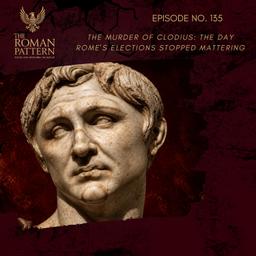
The Murder of Clodius: The Day Rome's Elections Stopped Mattering
<p>Publius Clodius Pulcher was killed on the Appian Way in January of 52 BC, his supporters burned the Senate House around his body, and within weeks Bibulus and Cato the Younger proposed making Pompey the Great sole consul of Rome.</p><p> </p><p>This episode follows the four years that led there. In 55 BC armed men attacked Lucius Domitius Ahenobarbus on his way to the consular elections and killed his torchbearer, and Pompey came home from the elections for aedile with blood on his toga. In 54 the consuls struck a secret deal with two candidates, Gaius Memmius and Gnaeus...
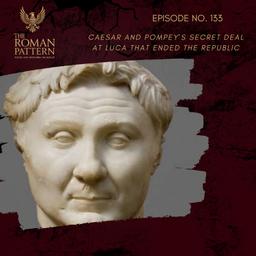
Caesar and Pompey's Secret Deal at Luca That Ended the Republic
<p>In April of 56 BC, Julius Caesar met Marcus Licinius Crassus at Ravenna and Pompey the Great at Luca, modern Lucca in Tuscany, and the three men renewed the First Triumvirate by dividing up Rome's consulships and armies for the next five years.</p><p><br></p><p>By the spring of 56 the alliance was close to breaking. Publius Clodius Pulcher's street gangs had made Pompey afraid to walk through Rome, Pompey believed Crassus was backing a plot against his life, and Cicero, just back from exile, moved to reopen Caesar's land law of 59. Lucius Domitius Ahenobarbus was running for...
