
Continuing Studies: Higher Ed Podcasting
We explore the intersection of higher education and podcasting. Each episode of Continuing Studies features insights from seasoned university podcasters who share tips, best practices, and stories from their podcasting journeys. Hosted by Jennifer-Lee Gunson and Neil McPhedran, this series covers everything from the technical aspects of podcasting to the art of storytelling and conducting interviews. Continuing Studies is more than just a podcast; it's a community. Connect with fellow higher ed podcasters, share your experiences, and continue your podcasting education on HigherEdPods.com. We're also on a journey to infuse Podcasting 2.0 best practices into our show. Our goal is...

10
MIT's One Billion Learners: Where Podcasting Fits In
<p>How does podcasting fit into MIT’s goal of reaching one billion learners?</p><p>In this episode of Continuing Studies, Neil and Jen talk with Mary Ellen Wiltrout from MIT about MIT Learn, open learning, and how podcasts can make world-class expertise feel more accessible and human. Mary Ellen shares how MIT is experimenting with podcasts, short videos, and other formats to reach learners beyond traditional courses, and why audio can help audiences connect with the people behind the research. They also discuss Beyond Biology, storytelling in science, measuring impact beyond downloads, and how podcasting can spark curiosity, op...

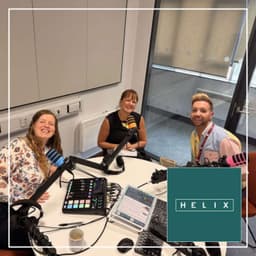
How Podcast Spaces Support Research, Teaching, and Community
<p>How do you build a podcasting culture in higher ed? Don’t start with the equipment.</p><p>In this episode of Continuing Studies, Neil records live from Helix at the University of Leeds with Abigail Harrison Moore, Krissie Glover, and Kerr Hunter for the final conversation in our three-part series on research podcasting. After exploring participatory research with Abigail and production support with Krissie, in this episode they share how Helix supported and helped shape the Whose Power? project, and what makes a university podcast studio truly welcoming, useful, and accessible. The big takeaway: the best podcast spaces ar...
How Podcasting Can Change the Classroom Dynamic: Live from Higher Ed PodCon 2026
<p>Can podcasting make teaching more human, more connected, and more effective?</p><p>In the second live episode from Higher Ed PodCon, Neil and Jen sit down with Rudy Salo, a lawyer, law professor, public transportation geek, and co-host of Good Is in the Details. Rudy explains how a philosophy podcast about everyday life, dialogue, and critical thinking found its way into the syllabus and how it's helping students see the person behind the professor, and why that human connection changes what happens in the classroom. They also get into Socrates, student trust, law school, and why Rudy says...
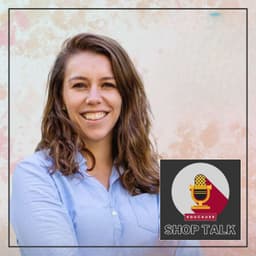
The Art of Hosting: Live from Higher Ed PodCon 2026
<p>How do great hosts create conversations that feel purposeful, natural, and worth staying with?</p><p>In this episode of Continuing Studies, Neil and Jen sit down with Sophie White from EDUCAUSE live at Higher Ed PodCon to talk about the art of hosting. Drawing from her work on EDUCAUSE Shop Talk, Sophie shares how purpose can shape everything from guest selection to audience focus, and how hosts can create the conditions for more thoughtful, candid conversations. They also discuss co-host chemistry, managing multiple guests, balancing rigor with fun, helping nervous guests feel at ease, and why podcasts can...
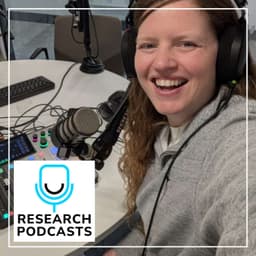
Helping Academics Bring Research Podcasts to Life: Funding, Training, and Production Support
<p>How do you turn a research idea into a podcast that is clear, credible, and actually doable?</p><p>In part two of our three-part series on how collaborative research podcasts get made, Neil and Jen talk with Krissie Brighty-Glover from Research Podcasts about the process they use to bring academic audio to life. Part one explored a real research podcast from the academic’s perspective; this episode looks at the production side, from shaping the initial idea to supporting funding applications, training researchers, booking guests, editing, distribution, and accessibility. They also get into the “beauty and the beast” of pod...
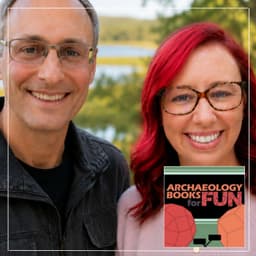
Beyond the Interview: Using a Book Club Podcast to Bring Academic Expertise to the Public
<p>How can academics make their ideas easier to find, more engaging, and harder to misrepresent?</p><p><br></p><p>In this episode of Continuing Studies, Neil and Jen dig into the podcast, Archaeology Books for Fun with hosts Tristan Harrenstein and Barbara Clark. Barbara and Tristan excavate the ways they've used their podcast to reach an audience segment they were missing in their other public education programs, using a book club format, non-academic texts, playful branding, and eye-catching artwork. Take a listen to unearth practical tips on building a niche podcast, making expert knowledge approachable, and giving academics...
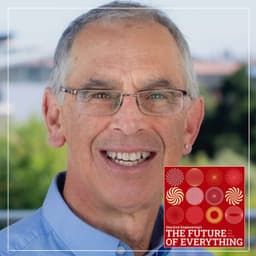
Why Great Interviews Start with Not Knowing Everything
<p>After 300+ interviews with Stanford experts, Russ Altman knows how to turn complex ideas into conversations people actually want to follow.</p><p>In this episode of Continuing Studies, Neil and Jen talk with Russ, host of The Future of Everything, about the craft behind engaging expert interviews. Russ shares how he keeps highly technical conversations clear and fun, why he sees himself as the “jargon police,” and how curiosity can be more useful than trying to know everything in the room. They also get into his practical interview strategies, from preparing “emergency topics”, to using a mid-interview break to refocus...
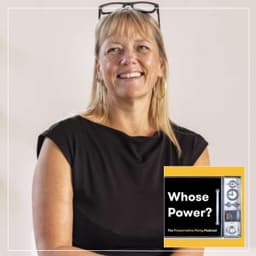
How to Use Podcasting for Participatory Research
<p>How can podcasting become more than a way to share research—and actually become part of the research itself?</p><p>In this episode of Continuing Studies, Neil and Jen talk with Abigail Harrison Moore from the University of Leeds about Whose Power, a podcast project created with the Preservative Party, a group of young curators at Leeds City Museum. Abigail shares how the project uses podcasting as a participatory research space—one built around trust, consent, listening, and shared authorship.</p><p>The conversation explores how podcasting can help break down gatekeeping in museums and academia, why audio can...
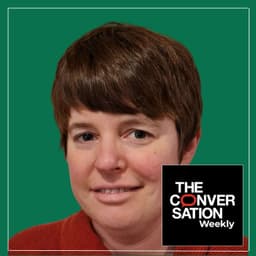
Using Academic Research to Make Sense of the News Cycle
<p>How can a podcast use academic research to help us make sense of today’s news?</p><p>Neil and Jen talk with Gemma Ware, head of audio at The Conversation UK and host/co-producer of The Conversation Weekly, about how the show brings academic expertise into the news cycle through narrative-produced audio. Gemma shares how The Conversation pairs academic rigour with journalistic flair, helping researchers explain complex ideas in a way that’s clear, accessible, and useful for a general audience.</p><p>The conversation also digs into the craft behind the show: structuring episodes around the question “How di...
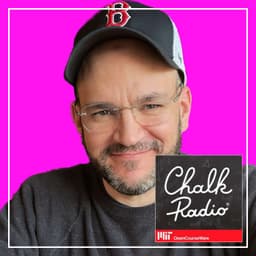
How MIT Turns Teaching into Podcasts, Video, and Reach
<p>25 years ago, MIT made a bold choice: share our knowledge with the world, free of charge. Eventually, out of this, Chalk Radio was born as one tool of MIT's OpenCourseWare to deliver that knowledge. </p><p>In this episode, Neil and Jen talk with Brett Paci, producer of the Chalk Radio podcast and Assistant Director of Media Production at MIT OpenCourseWare, about how that mission has evolved over 20+ years. From static course materials, to YouTube lectures, to short-form clips, to narrative audio, and now to full podcast and video formats. What makes their approach stand out is that it’s n...
