
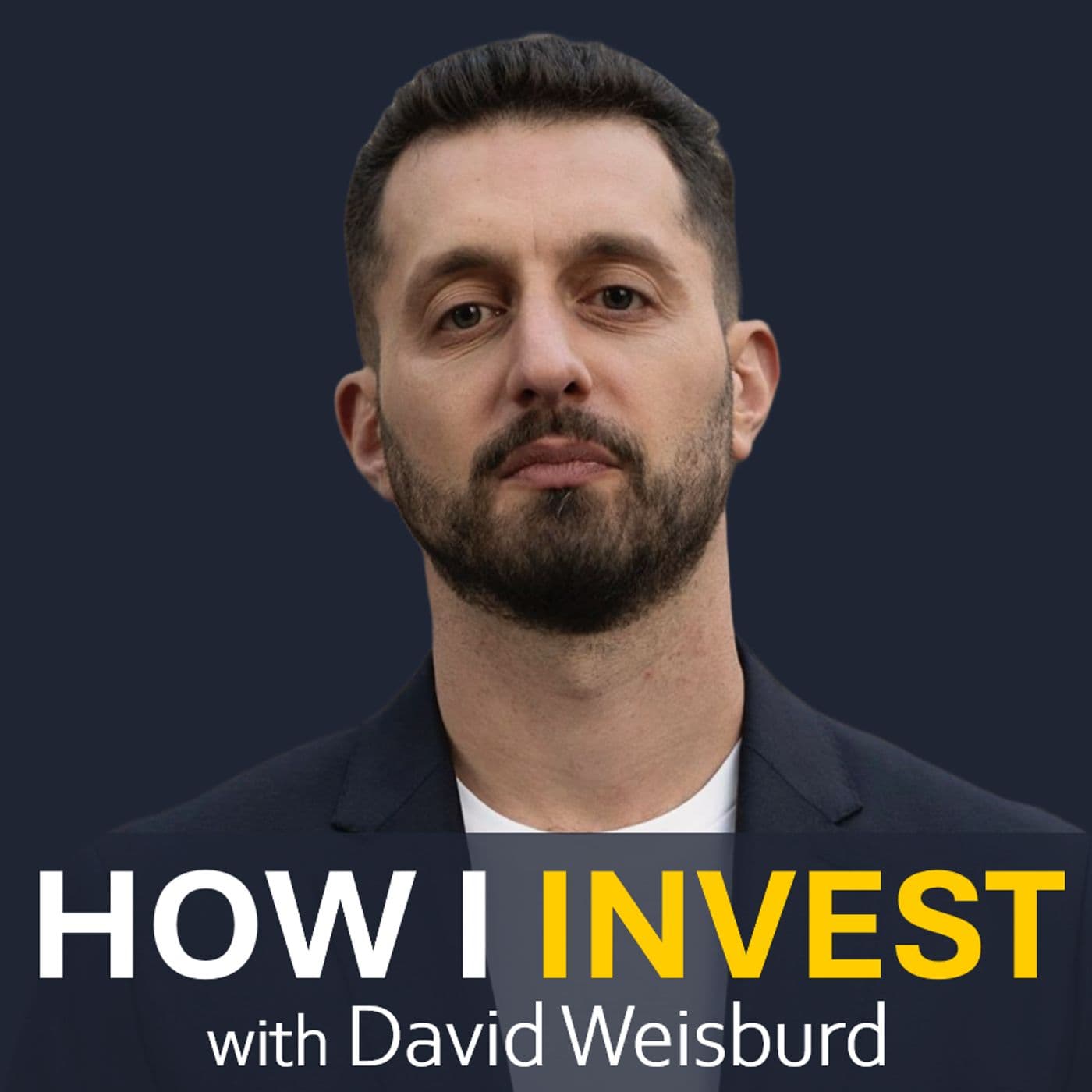
How I Invest with David Weisburd
How I Invest with David Weisburd is a podcast that interviews the world's leading institutional investors. Previous guests include The Ford Foundation, Northwestern University Endowment, CalPERS, Stepstone, and other top limited partners.

10
E411: How AI Is Creating a New Generation of Venture Firms
Most venture firms are using AI to save time. Earlybird is using it to generate alpha. David sits down with Andre Retterath, General Partner at Earlybird, to discuss how his firm built an AI-native venture platform, why proprietary data is becoming venture capital's biggest competitive advantage, how machine learning improves investment decisions, and why the future of venture belongs to investors who combine technology with exceptional judgment. <h3>Highlights:</h3> Why AI should automate venture capital—not replace investors. The hidden cost of missing great startups. How Earlybird built an AI-native investment platform. Why founder branding has become a competitive ad...

E410: How Relationships Built a $3.6B Venture Firm
Consumer startups may grab the headlines, but some of the most valuable companies are built by solving mission-critical problems for businesses. David sits down with Rick Heitzmann, Managing Director at FirstMark Capital, to discuss how he identifies high-growth technology-enabled business services, why sectors like data infrastructure, compliance, marketing technology, and information services continue to generate outsized opportunities, and what separates enduring enterprise businesses from short-lived trends. <h3>Highlights:</h3> Why B2B investing remains one of venture's biggest opportunities. The characteristics of exceptional enterprise software companies. How data has become a competitive advantage. Why compliance is creating entirely new categories...
E409: The Leadership Lessons That Built a $6.5 Billion Firm
Most investors chase what's exciting. Jason Koenig built a $6.5 billion firm by investing where almost nobody was looking. In this conversation, Jason explains why overlooked industrial assets can produce exceptional long-term returns, how ITE grew from $60 million to $6.5 billion in assets under management, why culture compounds just like capital, and the leadership lessons he learned while scaling an investment firm from startup to institutional platform. <h3>Highlights:</h3> Why the best investments are often hiding in overlooked industries. How Jason spotted a billion-dollar opportunity by watching trains. The founder mindset required to build conviction before everyone else. Why culture becomes...
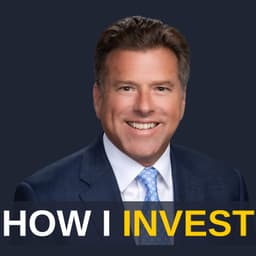
E408: HarbourVest: Why Venture Capital Is Chasing Trillion-Dollar Companies
Venture capital isn't about avoiding losses. It's about owning the handful of companies that change everything. Scott explains why HarbourVest has built its venture strategy around power laws, why secondaries have become essential to modern venture investing, and how institutions evaluate managers, partners, and companies across thousands of investment opportunities. <h3>Highlights:</h3> Why accepting losses is the price of capturing venture's biggest winners. The data behind why 10% of companies generate 90% of industry returns. How secondaries allow LPs and GPs to stay invested in generational companies. Why some of the best venture funds intentionally extend beyond their original 10-year life. ...
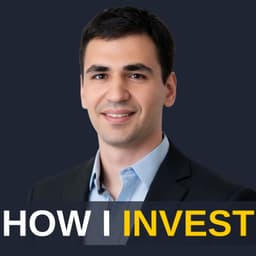
E407: Why Venture Capital is Becoming a Winner-Take All Market
Venture capital has never been more competitive. Aram Verdian argues it has also never been more concentrated. Drawing on Accolade Partners' research across more than 3,000 U.S. venture firms, Aram explains why fewer than 20 firms have consistently produced 3x net returns, what separates the firms that keep winning, and why venture is increasingly becoming a winner-take-all business. From portfolio construction and manager selection to AI, late-stage investing, and fund sizing, he shares the framework his team uses to identify the next generation of exceptional venture firms. <h3>Highlights:</h3> Why fewer than 1% of venture firms consistently outperform public markets. The...
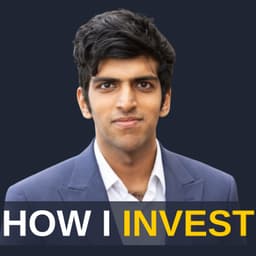
E406: Why AI Won't Transform Most Enterprises for 10 Years
Most companies use AI to make employees slightly more productive. Sushanth Raman believes AI should do the work instead. As the CEO of Pallet, Sushanth is building an AI workforce for the $12 trillion logistics industry, helping carriers, brokers, freight forwarders, and shippers automate mission-critical operations inside the systems they already use. He explains why reasoning-driven AI represents the next wave of enterprise software, why logistics is uniquely positioned for AI transformation, and how businesses can move from copilots to fully autonomous workflows. <h3>Highlights:</h3> Why AI should execute workflows instead of simply assisting employees. The biggest inefficiencies still holding...
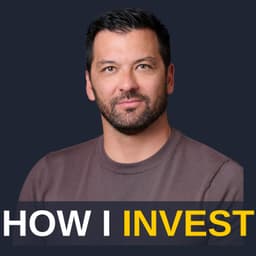
E405: Why AI Has Made Venture Capital Harder (Not Easier)
The best venture investors don't just identify great markets. They recognize exceptional founders before everyone else does. Michael Gilroy shares lessons from investing at Coatue, Microsoft's M12, Battery Ventures, Insight Partners, and now Marathon Management Partners. He explains what separates extraordinary founders from everyone else, how venture investors evaluate conviction versus consensus, why AI is changing the investment landscape, and how decades of experience shaped his founder-first investing philosophy. <h3>Highlights:</h3> Why the best venture investments begin with founders instead of markets. The founder characteristics Michael consistently looks for before investing. Lessons from investing across Coatue, M12, Battery Ventures...
E404: Why This Billionaire Family Office Doesn't Rebalance Its Portfolio | Pincus Family CIO
Most investors obsess over pre-tax returns. Scott Abookire argues they're measuring the wrong thing. As Chief Investment Officer of Pincus Capital, Scott oversees globally diversified public and private portfolios for multi-generational families. In this conversation, he explains why after-tax returns are the metric that truly matters, why he abandoned the traditional endowment model, and how sophisticated family offices think about risk, liquidity, and long-term compounding. Scott also shares the portfolio framework Pincus uses to manage drawdowns, why governance matters more than forecasts, and how the best investors stay disciplined when markets become emotional. <h3>Highlights:</h3> Why after-tax returns matter...
E403: Why the Best Investment Firms Stay Small | Sound Point Capital Founder
Most investors believe raising more capital is always a sign of success. Stephen Ketchum has spent nearly two decades proving the opposite. As Founder, CEO, and CIO of Sound Point Capital, Stephen built a $46 billion credit platform by resisting one temptation that destroys investment firms: deploying capital simply because it's available. Instead of maximizing assets under management, Sound Point limits fund sizes, turns away capital when opportunities aren't compelling, and prioritizes long-term trust over short-term fees. Stephen explains why excess capital weakens discipline, why incentives shape every organization, and why culture compounds just as powerfully as investment returns. <p>This...
E402: $92B Coatue: Where the Value in AI Will Accrue
Everyone is asking which AI company will win. Lucas Swisher thinks investors are asking the wrong question. The biggest opportunities won't necessarily come from picking a single model or application. They'll come from understanding where durable advantages are created across the AI stack. Drawing on Coatue's investments in companies like OpenAI, Anthropic, Databricks, and SpaceX, Lucas explains why talent compounds, why data infrastructure may outlast today's application boom, why companies become harder—not easier—to disrupt as they scale, and how AI is reshaping the economics of software, semiconductors, and enterprise technology. <h3>Highlights:</h3> Why the AI application layer is f...
