

Make Me Smart
Each weekday, Marketplace’s Kimberly Adams makes today make sense along with her Marketplace colleagues, breaking down happenings in tech, the economy, and culture. Because none of us is as smart as all of us.

10
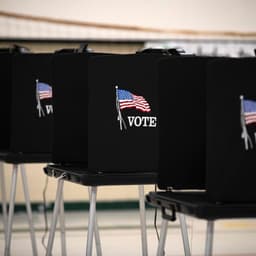
The super PAC spending flooding the primaries
<p>Primary season for the 2026 midterm elections is underway. And the money from super PACs is already flowing. But how well is it working? On today’s show, Kimberly talks with democratic strategist Tim Lim about how spending from outside groups is shaping this year’s races so far and why strategists are waiting on the outcome of an under-the-radar Supreme Court case that could loosen the rules on how parties can coordinate with candidates.</p><br/><p>Here’s everything we talked about today:</p><br/>"MAGA Inc.’s $300 Million War Chest Waits for Go-Ahead From Trump" from Bloomberg "Super PA...


The economics behind the rise of BTS and Korean culture
<p>From the success of “K-pop Demon Hunters” to the return of BTS, K-pop is having a moment. But the rise of Korean culture was no accident—it has a decades-long backstory of investment by the South Korean government. On “Economics on Tap,” Kimberly talks with Michelle Cho, researcher of East Asian pop cultures at the University of Toronto, about the history behind the spread of Korean culture and how it’s shaped industries from entertainment to beauty. Speaking of K-beauty: sunscreen or sheet masks?</p><br/><p>Here’s everything we talked about today:</p><br/>‘KPop Demon Hunters’ Leads the Wave Bac...
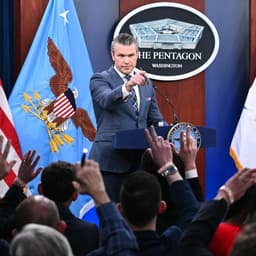
Who gets to set limits on AI?
<p>In line with the Pentagon’s ambitions to build an “AI-first warfighting force,” earlier this year, U.S. Defense Secretary Pete Hegseth demanded unrestricted use of Anthropic’s Claude model. Anthropic had concerns. Now the two parties are engaged in a legal battle that could shape the future of AI safety. Kimberly talks with Justin Hendrix, CEO and editor of Tech Policy Press, to explain Anthropic’s lawsuit and why this could signal a turning point in the tech industry’s chummy relationship with the Trump administration.</p>
How the farm bill became the everything bill
<p>Farm bills are huge, sprawling pieces of legislation that affect all Americans — not just farmers. But as they’ve gotten more expensive, they’ve gotten tougher to pass. And due to the SNAP cuts in Congress’s big budget bill passed last summer, the coalitions that have historically gotten this legislation over the finish line may be fractured beyond repair. Kimberly talks with Chris Neubert, agriculture policy expert at Arizona State University, about what this could mean for this year’s farm bill prospects.</p>
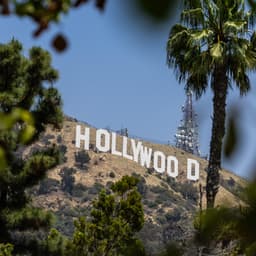
Can Hollywood make a comeback?
<p>On today’s show, we’re preparing for the Oscars by checking in on the state of the film industry. Marketplace’s Amy Scott sits down with Wall Street Journal entertainment reporter Ben Fritz to discuss what slumping ticket sales means for the future of movies, why the Paramount-Warner Bros. merger has Hollywood workers worried, and what it would take for the industry to make a comeback. Plus, movie watchers weigh in: subtitles on or off?</p><br/><p>Here’s everything we talked about today:</p><br/>A look at how the Oscar best picture nominees have fared at the b...
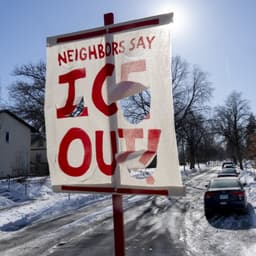
The economic ripple effects of ICE in Minnesota
<p>ICE may have wound down its operations in Minnesota, but the state is still facing the economic consequences of Operation Metro Surge. This has fueled concerns that an eviction crisis could take hold, particularly in the Twin Cities. On today’s show, Kimberly joins MPR News correspondent Dana Ferguson in St. Paul, Minnesota to discuss measures the state legislature is taking to provide economic relief to renters, and what life has been like since she last checked in with us on “Make Me Smart.”</p>
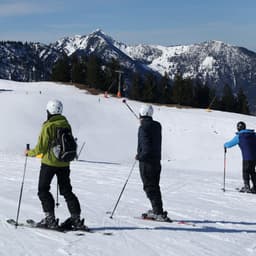
The ski industry squeeze
<p>As prices have risen over the past decade, snow sports have gotten farther and farther out of reach for many Americans. And this has big implications not just for the ski-inclined, but also for the workers and local businesses that rely on steady ski area traffic. On today’s show, Kimberly talks with University of Waterloo professor and sustainable tourism expert Daniel Scott about what’s driving up the cost of snow sports and how the effects of climate change are shaping the future of the industry.</p>

The big money in the Texas primaries
<p>This week’s Texas primary elections were heated — and historic in terms of campaign spending. On today’s show, Blaise Gainey, state politics reporter for The Texas Newsroom, joins Kimberly to share his election takeaways and the economic issues that brought voters out to the polls. Plus, what does the Texas Railroad Commissioner have to do with oil and gas? And, we’ll pit Texas icons against each other during a round of This or That.</p><br/><p>Here’s everything we talked about today:</p><br/>"Winners, losers and runoffs: How Texans’ November ballot is shaping up after the pr...
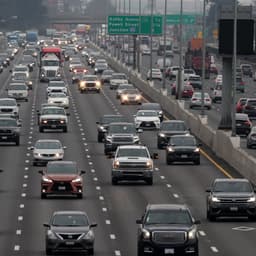
The Trump administration scrapped the endangerment finding. Now what?
<p>The endangerment finding paved the way for federal regulation of greenhouse gas emissions from cars, trucks, and power plants. Now that the Environmental Protection Agency has repealed the finding, the future of U.S. climate policy is in limbo. Marketplace’s Amy Scott joins Kimberly to explain what the repeal could mean for the auto industry, American consumers, and the United States’ place in the global transition to clean energy.</p>
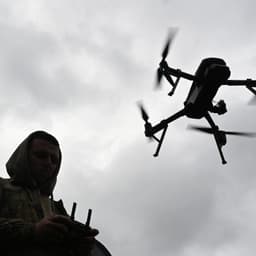
The U.S., Iran, and the rise of drone warfare
<p>As war in the Middle East widens, it’s become clear that drones now play a fundamental role in global conflict. They’ve changed the way wars are fought—and how much they cost. On today’s show, Kimberly talks with Sarah Kreps, director of the Tech Policy Institute in the Cornell Brooks School of Public Policy, about how drone technology has evolved over the years, how the rise of drone warfare has changed the way global conflicts play out, and what that means for civilians.</p><br/><p>Here’s everything we talked about today:</p><br/>"Iran strike mar...
